- Home Page
- Books
- Articles
- The Tribes
- Presentations
- Bonus Material
Ancient History Reconsidered
The Phillips’ Family History:
According to tradition, the Welsh branch of the Phillips family are descended from the Roman Emperor Maximus (383 to 388 ce).1 Maximus was also known as Magnus Clemens Maximus.2 Vortigen (variant Vortigern) who was king of Kent in the 5th century ce is also said to be descended from this Emperor Maximus, as was the Welsh king Rhodri Mawr from whom, according to Professor Myron Wynn Evans, our present Queen Elizabeth II is understood to be descended:
“Queen Elizabeth II is a cousin of Prof. Evans, their common ancestor being again Tewdwr Mawr through Rhys ap Gruffudd ap Rhys ap Tewdwr Mawr. Gwenllian ferch Rhys married Ednyfed Fychan. Their son was Goronwy ap Ednyfed, whose son was Tewdwr ap Goronwy, whose son was Goronwy ap Tewdwr, whose son was Tewdwr ap Goronwy, whose son was Maredudd ap Tewdwr, whose son was Owain ap Maredudd who married Queen Catherine de Valois. Their son was Edmund Tudor Earl of Richmond, who married Margaret Beaufort. Their son was King Henry VII Tudor from whom Queen Elizabeth II Windsor descends.”3
Maximus was not a Roman. He is understood to have been a Briton who was born in Galicia in north-west Spain:
“Magnus Clemens Maximus was born in Galicia on the Iberian Peninsula in the mid 4th century. Though from a Roman household, his origins are confused. He was certainly a relative of the Comes Theodosius, whose son was to become Emperor Theodosius the Great, but Welsh writers tell us more.
“The popular story says he was the son of a Romano-Briton, named Lolelinus (or Llywelyn), who had travelled to Rome and become a senator in the Imperial Senate. Coel Godhebog (the Magnificent) was thus made Maximus’ uncle, and the Emperor Constantius Chlorus, the husband of his cousin, Helena. However, the chronology is all wrong.
“Geoffrey of Monmouth wrote that Maximus was of Imperial descent, and early Welsh genealogical tracts seem to back up this idea, showing Constantius’ son, Constantine the Great, as Maximus’ grandfather. There is, however, little room for such a relationship in the Imperial family tree, as currently understood at this period. It might just be possible that there was an extra, currently unknown, son of Constantine who lived to become Maximus’ father, though it seems unlikely. His name may have been something like Maximianus Constans, a combination of those cited in Welsh sources. The former was certainly Geoffrey’s name for Maximus himself. Blackett & Wilson, however, claim him as a lesser known son named Flavius Julius Crispus.”4
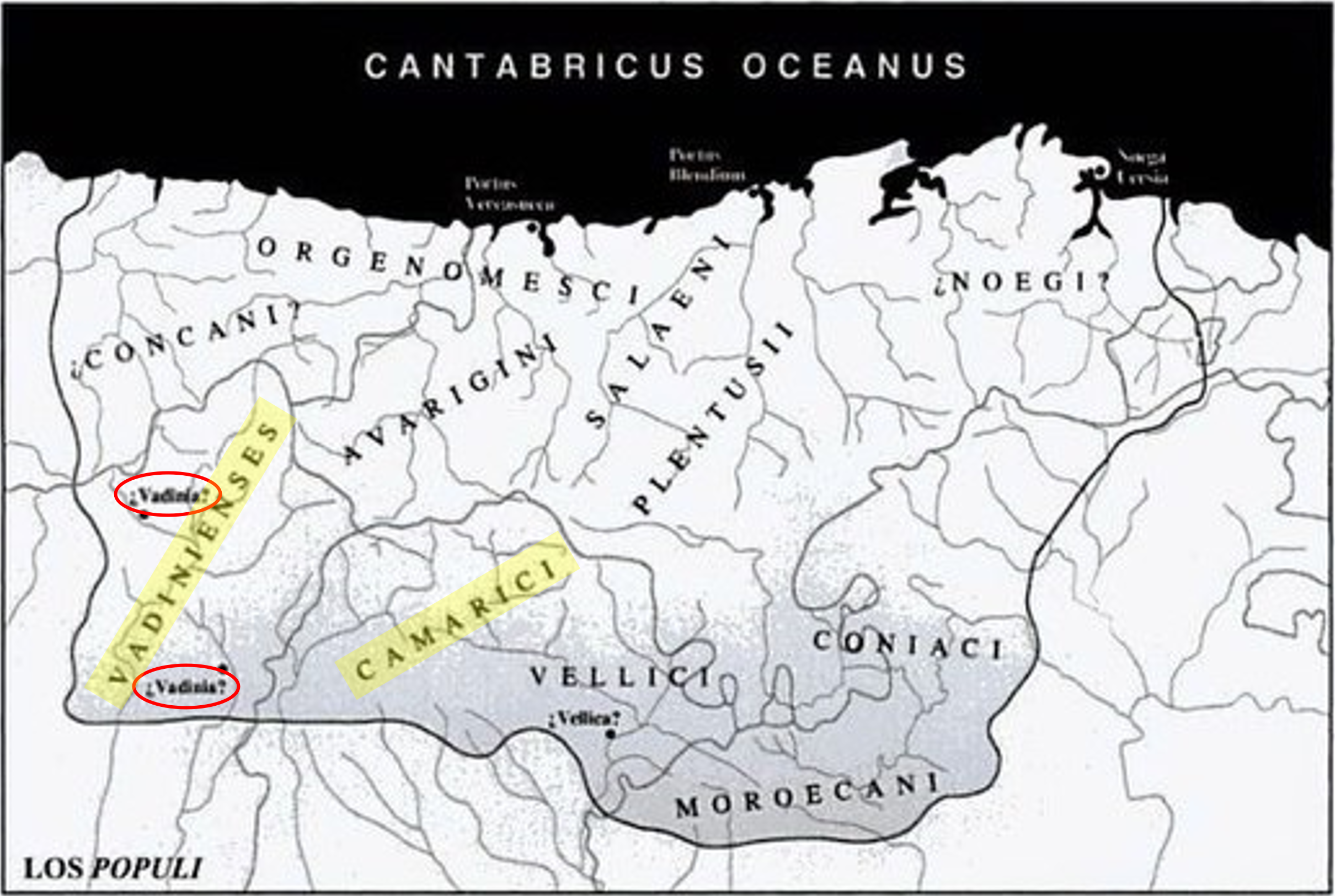
Map showing where the Iadovi (here called Vadinienses) are understood to have been located. I have circled the two places where archaeologists think are the two most likely places for Ouadinia (here called Vadinia) based on Ptolemy’s coordinates. Note that the people marked Camarici on this map are the people called Tamarci by Pliny. These Tamarites were named after their matriarch Tamar. In other words, they also were Jews. The city of León is located around 50km south-west of the southernmost suggested location of their capital city.
This then is the sort of problem inherent in our genealogical records. Basically, no one knows who Maximus was or where he came from. I personally believe that Maximus, which was clearly a Roman name or title, more correctly came from the royal house of León in northern Spain. This would accord well with the suggestion that he came from Galicia. The name León is Spanish for ‘lion’ and the Kingdom of León actually had a lion for its coat of arms. This city seems to have been established by a people called Iadovi by Pliny.5 Bear in mind that the letter v in Latin was pronounced as a u – hence Iadovi will have been pronounced Yadoui, this being a variant spelling of the name Yahudi, a name which transliterated into English becomes Judah, or Jew for short. Spanish writers refer to these people as Vadinians or Vadinienses.6 Ptolemy mentions a city of Οὐαδινία (Ouadinia) in the region where these Yadoui were dwelling.7 The Leuni (i.e. lions) and Vettones who Pliny tells use were dwelling in this region of Spain in his day8 must also have been Jews. I would even go so far as to suggest that these are the ‘Persians’ (or, more correctly, migrants from Persia) spoken of by Pliny.9
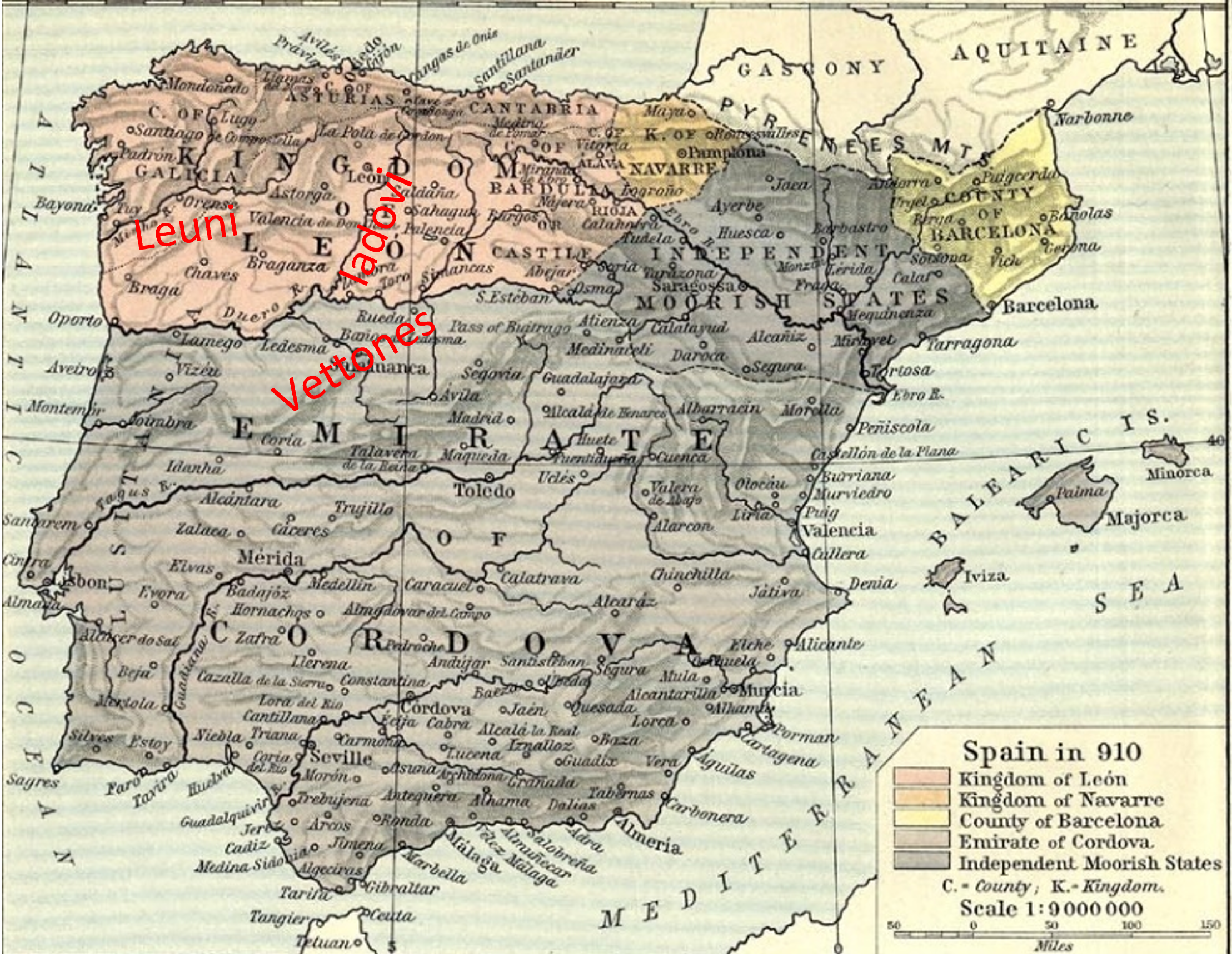
The kingdom of León in 910 (highlighted pink). Map reproduced courtesy of William Robert Shepherd – part of http://www.lib.utexas.edu/maps/historical/shepherd_1911/shepherd-c-082-083.jpg, Public Domain, https://commons.wikimedia.org/w/index.php?curid=4043064. I have also indicated in red type where the Iadovi, Vettones and the Leuni dwelt.
“Vadinia played a very important role at the dawn of our history, since from it they coordinated the life and action of the innumerable forts of our geography.”10
We know that these Vadinians (often referred to as Vadinienses) participated in the Roman army, so their connection with the city of León (which was originally a Roman fort – referred to by Ptolemy as Legio Germanica) is well attested.11 Vortigern was therefore most likely an offspring of this Jewish family who settled in northern Spain. In my opinion, the name Vortigern sounds as though it is of Persian origin.
In The Forgotten Tribe of Naphtali & the Phoenicians, we demonstrate that Rome was built by Israelite tribes using Edomite slaves. Those Edomites later overthrew the Israelite factions and gained control of the country for themselves. This accords with the blessing given by the patriarch Yitzchaq (Isaac) to Esau when he said, “And by thy sword shalt thou live, and thou shalt serve thy brother; and it shall come to pass when thou shalt break loose, that thou shalt shake his yoke from off thy neck.” (Gen. 27:40.) The Galicians were likewise Israelites and we have shown that the rulers of the kingdom of León in northern Spain was formed by the House of Judah. Maximus likewise was a Jewish monarch of the royal lineage of the House of David.
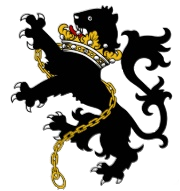
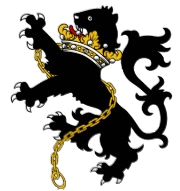
Phillips Family Crest. The gold chains might possibly represent the chains with which Yehoiachin king of Judah was fettered when in Babylon.
The Phillips family crest was apparently granted by King Richard I to Aaron Phillips for his services in the third crusade to the Holy Land. Aaron was the son of Cadivor Mawr, the cousin of Rhodri Mawr. (NB: The suggestion by www.houseofnames.com that the family is descended from Tudwal ‘of the wounded knee’ of the lineage of Rhodri Mawr, the first king of Wales appears to be wrong.12) The lion rampant on the Phillips’ family coat of arms represents the Lion of Judah. It is the earliest known crest in existence.
The family motto according to a reputable genealogical site is ‘mens conscia recti ’ meaning “In our inner mind, we know what is right”, though www.houseofnames.com would have us believe that it is ‘Ducit amor patriae, which translates as “Patriotism leads me”. The Bible informs us that Judah is the lawgiver,13 but most people tend to equate this solely with the Jews who are still to this day specifically known by the name of Judah. The royal family of Judah is extensive, and even though they no longer keep the law of Moses as we know it from the Bible, have nevertheless ruled over Israel, whether as kings or queens or barons or earls, and of those who have not been rulers, many of them have typically been barristers, sheriffs and judges.
The Phillips family can be traced to many parts of northern Europe including the Netherlands, Prussia and parts of Germany. Many colonists from Wales migrated to America and Canada and were instrumental in the establishment of many of the American colonies over there.
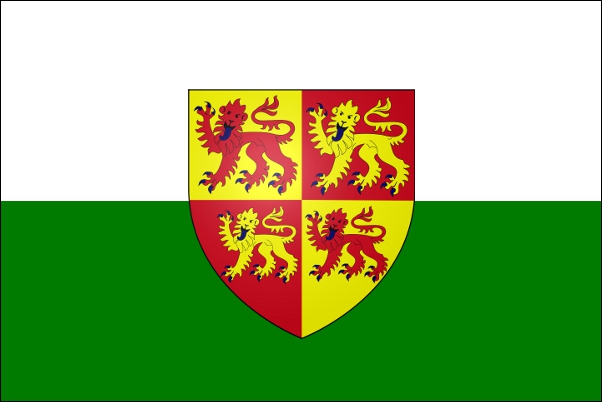
State Flag of Gwynedd.
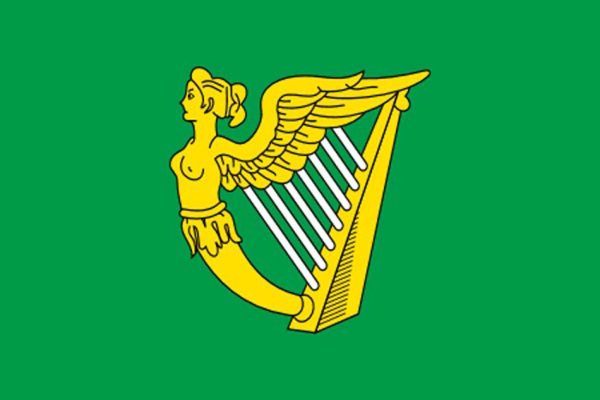
Ancient Irish Flag of Leinster - 17th Century CE.
Likewise, the Phillips family of Picton Castle was the most powerful family in Pembrokeshire, exercising tremendous political, social and economic influence over all aspects of local life. They had vast estates, were prominent philanthropists (being particularly notable supporters of the Charity School and Public School movements), and for generations supplied Pembrokeshire with sheriffs, justices of the peace, deputy lieutenants, lords lieutenants and members of Parliament.
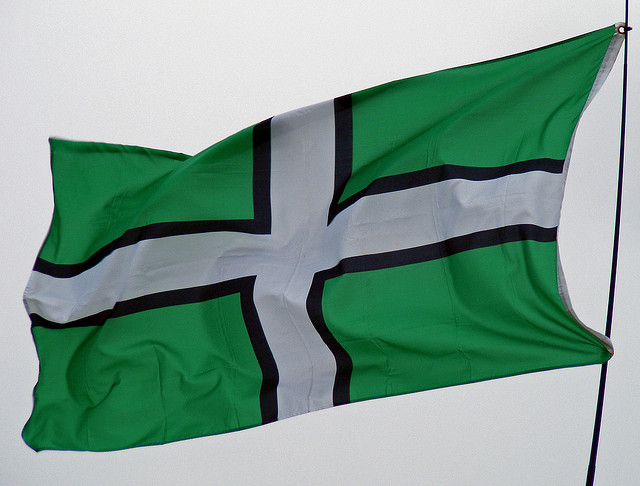
The flag of Devon.
In Early Irish History Reconsidered we demonstrate that the Irish royal family, and subsequently the Scottish royal family, are descended from Ethan son of Zerach of the tribe of Judah. It is not without justification that Ireland is known as The Emerald Isle, even though this epithet is of late date. (It was first coined in 1795 by a Belfast-born writer by the name of William Drennen in his poem “When Erin First Rose”.) Er, the mythical ‘queen’ who supposedly gave her name to Ireland and Eire, is an allegorical representation of a tribe of people name after Er the son of Judah after whom Judah’s two sons Zerach and Paretz take their name. (Gen. 38:29-30.) The emerald green field (i.e. background) on the flag of Leinster is the colour of Judah’s flag as well as the colour of their stone on the High Priest’s breastplate.
Quoting Rabbi Louis Ginzberg:
“Judah’s stone was the green emerald, that has the power of making its owner victorious in battle, a fitting stone for this tribe from which springs the Jewish dynasty of kings, that routed its enemies. The color green alludes to the shame that turned Judah’s countenance green when he publicly confessed his crime with Tamar.”14
When the Domnians moved from Leinster to south-west England, they built the city of Tamar on the River Tamar, naming the place after the city of Tamar in Leinster where they at one time dwelt. It is no coincidence that the flag of Devon is also emerald green.
The green field on the Welsh flag also signifies the tribe of Judah. This green field is said to have been introduced into the Welsh flag by the Tudors, but it also appears on the State Flag of Gwynedd where Rhodri Mawr at one time reigned. Not only was the first Tudor king, Henry VII, a Welshman, but we are informed that the Welsh armies wore green and white.15 The colour blue on the Israeli flag and on the Jewish prayer shawls is the colour of the tribe of Levi – and not Judah. (See the article on The Tribe of Levi for further clarification.)
|
|
|
|
|
|
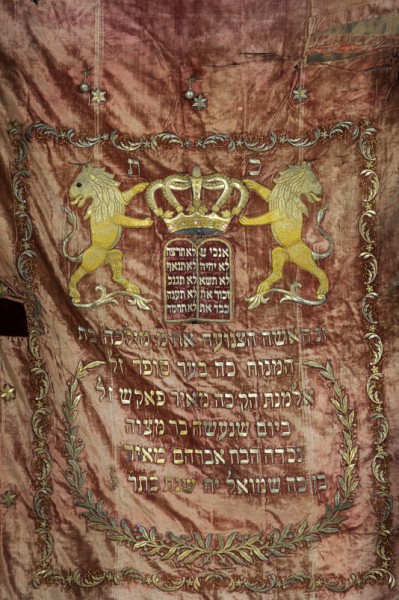
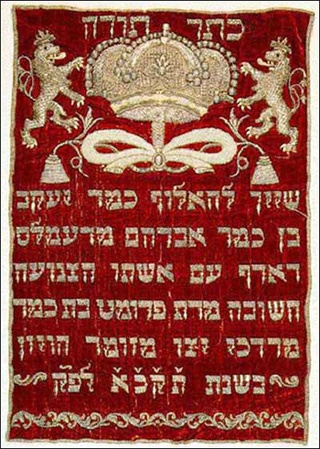
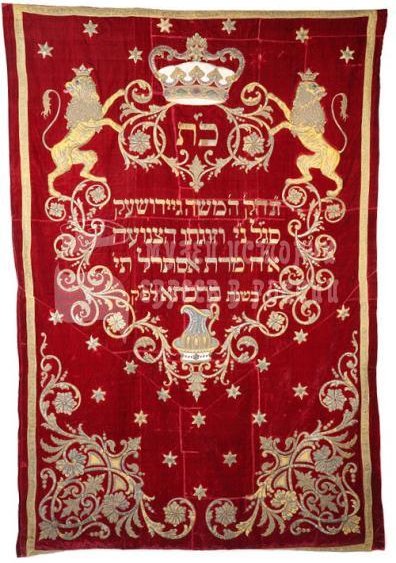
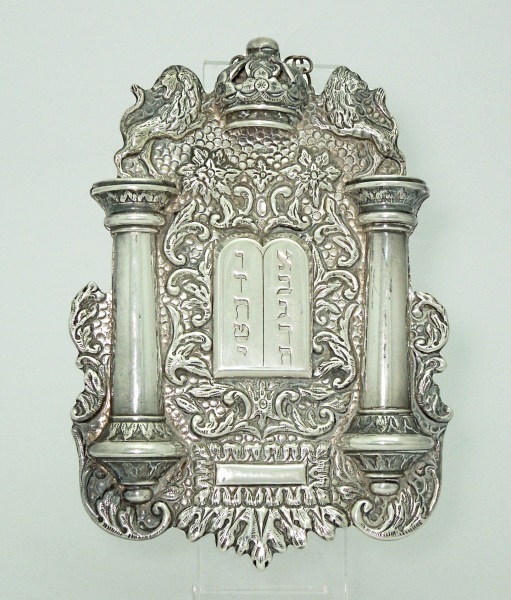
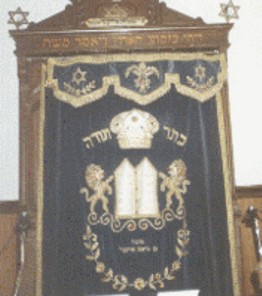
The lion rampant has been used by the Jews as a tribal emblem for centuries and is still used by them even to this day. Sometimes the lions have two tails, this being typical of the emblem used in Bavaria16 and other parts of Eastern Europe. |
||||
| 1. | http://www.houseofnames.com/phillips-family-crest. [Return] |
| 2. | Magnus’ Maximum Ancestry. [Return] |
| 3. | http://drmyronevans.files.wordpress.com/2010/03/burkesentry2amended.doc. [Return] |
| 4. | Magnus’ Maximum Ancestry op. cit. [Return] |
| 5. | Pliny, Natural Historyiv.20 (111) (or iv.34 in John Bostock’s translation. Note that he transliterates the name as Iadoni.). [Return] |
| 6. | The Vadinians and Vadinia, Julio De Prado Reyero – sourced from https://asociacionelcastillete.com/2016/03/01/los-vadinienses-y-vadinia/. [Return] |
| 7. | Ptolemy, Geographyii.6, §.20. [Return] |
| 8. | Pliny, Natural Historyiv.20 (112) (or iv.34 in John Bostock’s translation). [Return] |
| 9. | Pliny, Natural Historyibid. (or iii.3 in John Bostock’s translation). [Return] |
| 10. | The Vadinians and Vadinia, Julio De Prado Reyero – sourced from https://asociacionelcastillete.com/2016/03/01/los-vadinienses-y-vadinia/. [Return] |
| 11. | Militares Vadinienses. Un Estudio Epigráfico Sobre La participación de Los Cántabros Vadinienses en el Ejército Romano, , David Martino Garcia 2020 (translation: Vadinian Soldiers. An Epigraphic Study on the Participation of the Vadinian Cantabrians in the Roman Army) – sourced from https://www.academia.edu/47251212/2020 An epigraphic study on the participation of Cantabrian Vadiniensis in the Roman army. [Return] |
| 12. | http://www.houseofnames.com/phillips-family-crest. [Return] |
| 13. | Gen. 49:10 and Psalms 60:7 & 108:8. [Return] |
| 14. | The Legends of the Jews Vol. 3 (From the Exodus to the Death of Moses), p.170 – The Stones in the Breastplate, Louis Ginzberg, Philadelphia 1911. [Return] |
| 15. | Welsh Nationalism and Henry Tudor pp.2-3, W. Garmon Jones, Dean of the Faculty of the Arts, University of Wales, London 1918. [Return] |
| 16. | http://jhom.com/arts/gallery/lions_popups/049.htm. Bavaria, called Bayern by the Germans, derives its name from the Boii who settled there. In The Forgotten Tribe of Naphtali & the Phoenicians, we show that the Boii were Israelites of the tribe of Issachar. The Coat of Arms of Bavaria has two lion rampants with split tails. (See http://en.wikipedia.org/wiki/File:Coat_of_arms_of_Bavaria.svg). The flag is also blue and white (see http://en.wikipedia.org/wiki/Bavaria), blue being the colour of Issachar’s stone on the choshen mishpat – the high priest’s breastplate. [Return] |
Dated 26 Feb 2024.
©AHR Researches, Birmingham, England.